Project 320 – 3rd Annual 5k at Antietam

The Antietam Battlefield is sometimes used for other events and is a great place for a running road race. There is a big 10k that will be held there next weekend – a long-term event that has featured some of the world’s best runners at certain times of its history. It is an infamously difficult course – illustrative of the rough terrain and hills especially on the south end of the field.

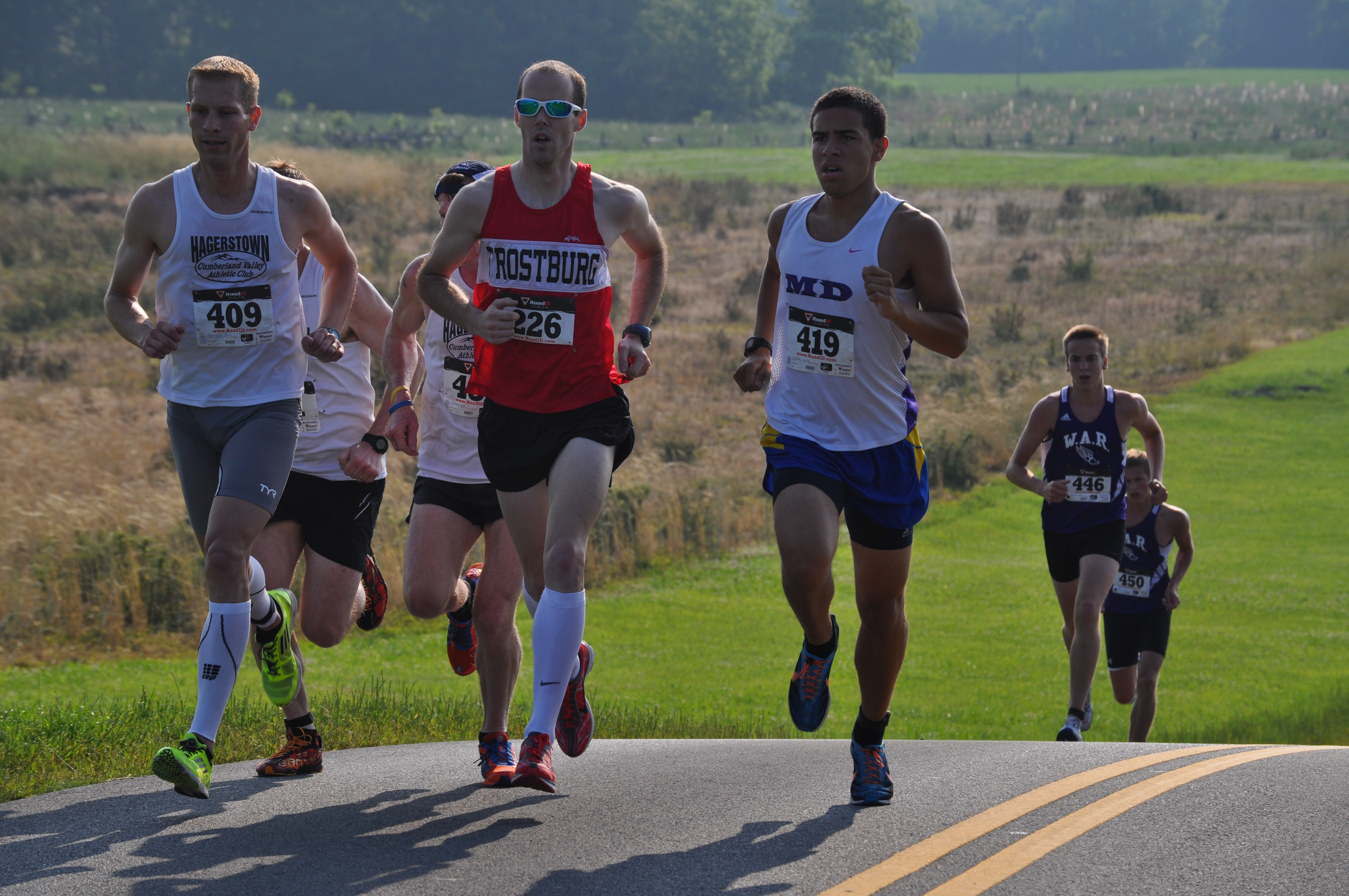
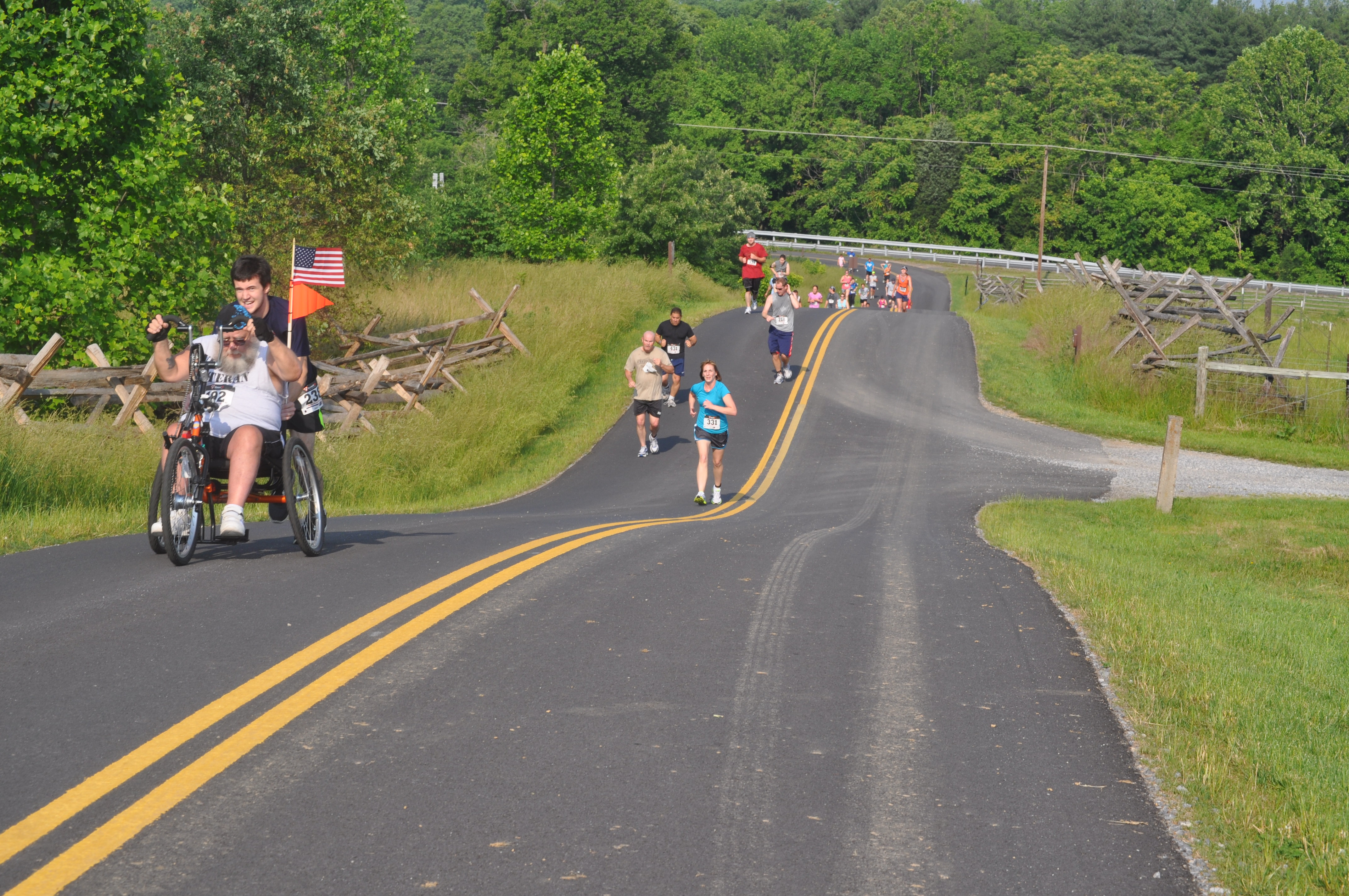
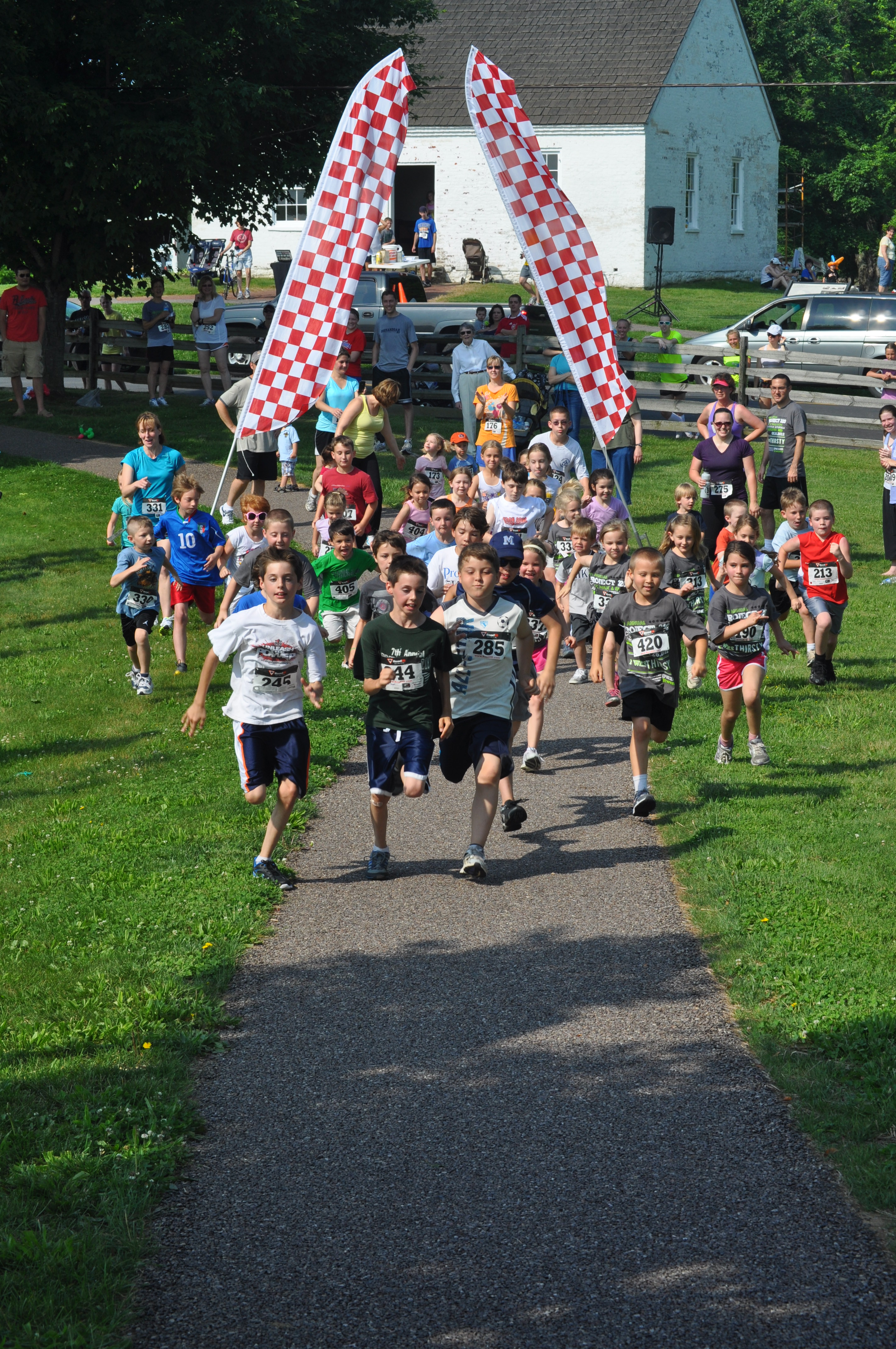
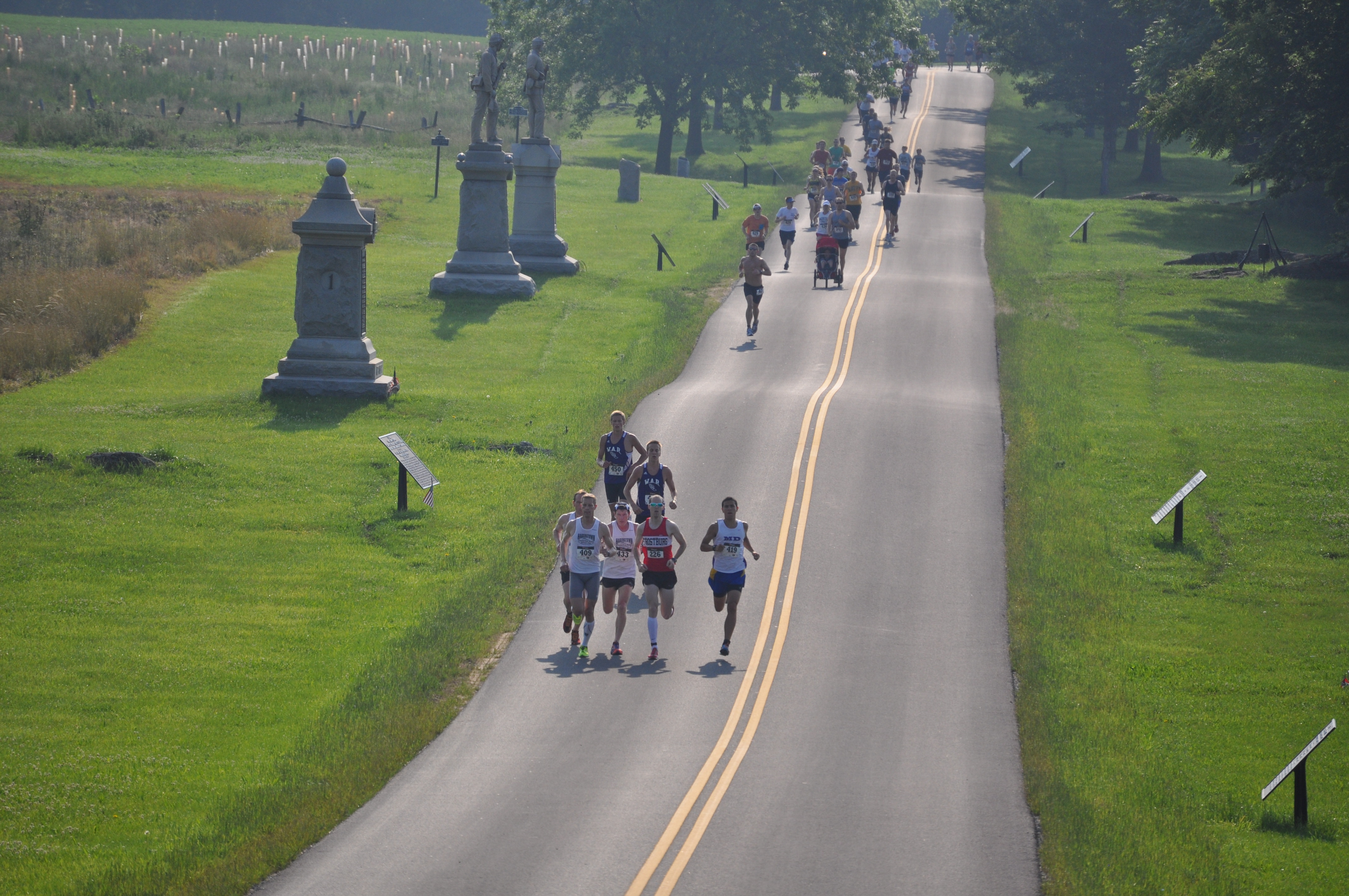
Today there was a local 5-k race that was a benefit for water projects in 3rd world countries. The youngest of my sons has participated each of the three years it has been held, and he finished in 6th place today.

This race only uses the northern part of the battlefield – following a “figure 8” pattern of the roads surrounding the cornfield and touring throughout the west, north, and east woods. He and the others are able to testify that even this allegedly “flat” portion of Antietam is not truly that! The running course today followed the park road that ascends the slope from the Hagerstown Turnpike to the plateau of the Poffenberger Farm. It is more than a little wee incline when placed in the middle of a footrace!

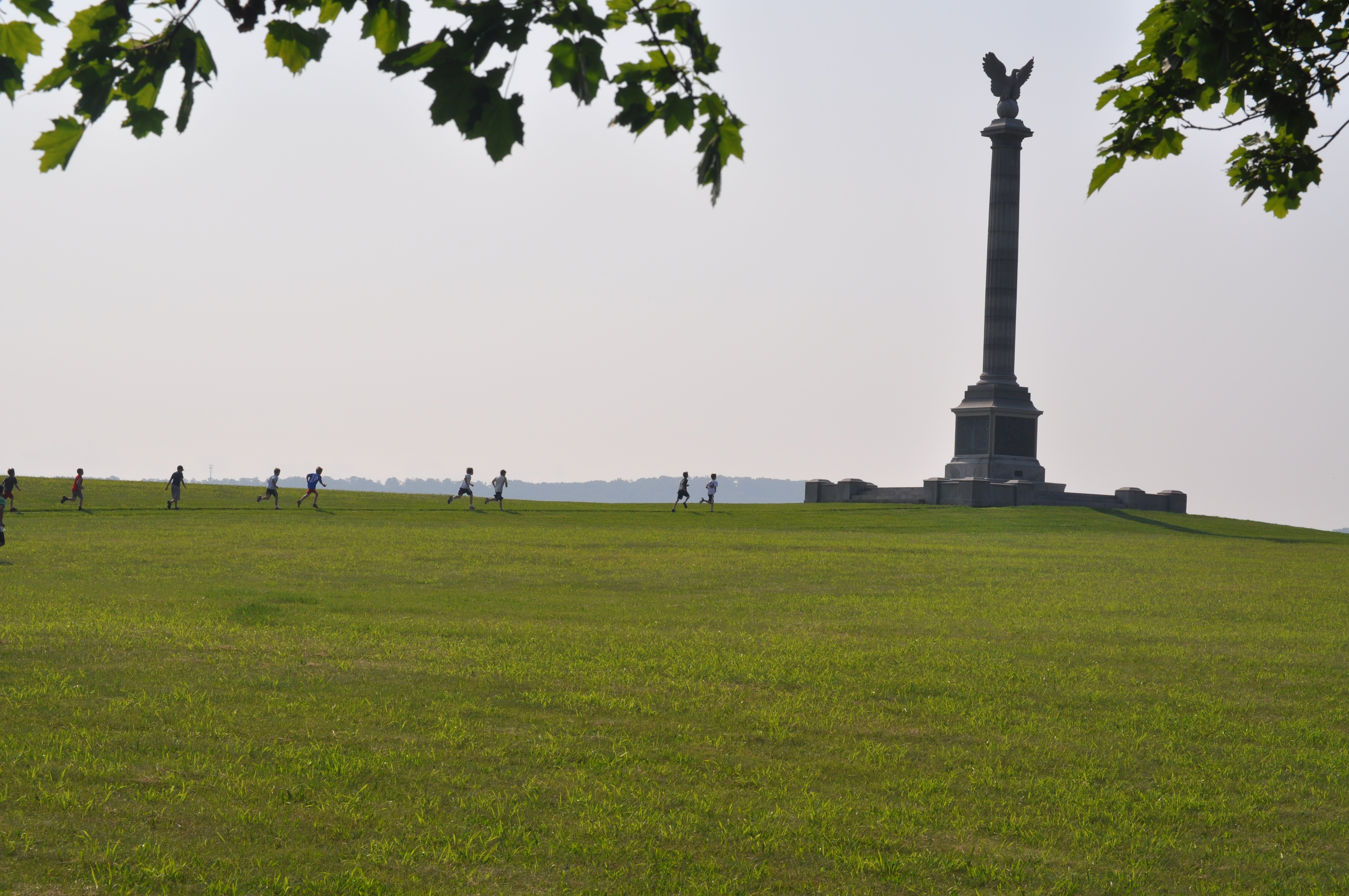
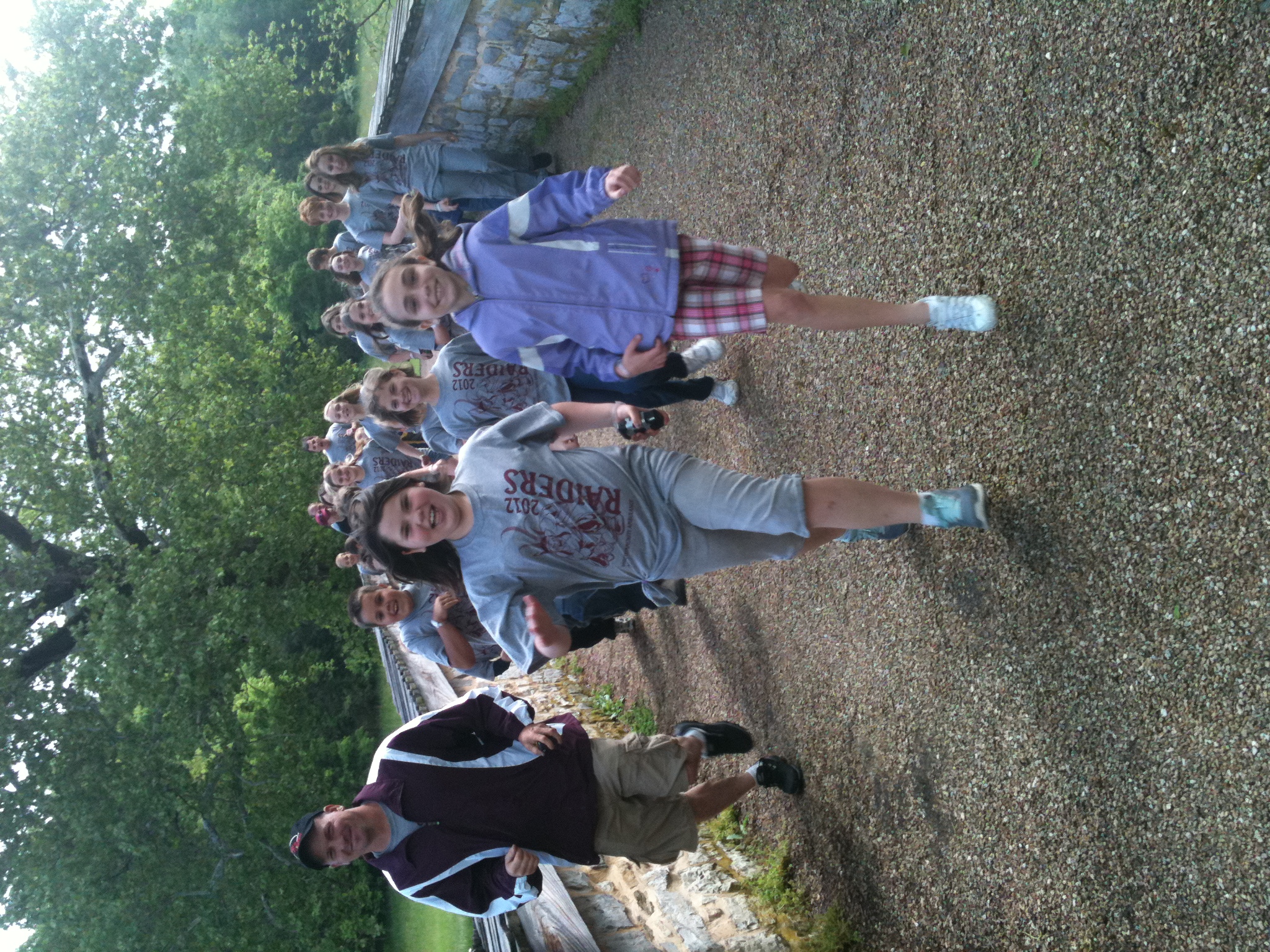
Here are some pictures from today’s event (which included a kids race around the NY State Monument:

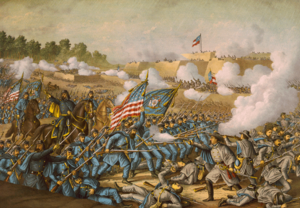
150 Years Ago Today – The First Battle of Winchester

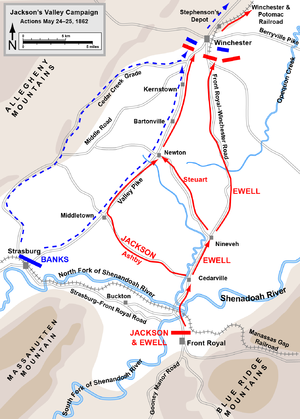
On this date, May 25th of 1862, Stonewall Jackson accomplished a major victory in his Peninsula Campaign by routing the Union forces of General Banks in the First Battle of Winchester, VA.

In consequence of the victory on the 23rdat Front Royal, along with news of Jackson’s multiple advances upon him, General Banks moved his forces down the Shenandoah Valley (to the north) toward Winchester. Harassed along the way at Middletown and Newtown (Stephen’s City), Banks deployed at Winchester to halt the advance. Many Union troops and supplies were captured in this retreat through the valley, to the extent that Banks gained the nickname “Commissary Banks.”

Credit: Map by Hal Jespersen, http://www.posix.com/CW

Jackson’s total command outnumbered Banks by 16,000 to 6,500. The Union center and right lines collapsed under the weight of it all, with troops pulling back through Winchester to Martinsburg … ultimately crossing the Potomac into my current town of Williamsport, MD.

The consequence again of Jackson’s action was to cause a withholding of Union forces from joining McClellan on the Peninsula – as Little Mac was now closing very near to Richmond.

Illustrative of this is a series of telegrams I’ll include here in what I trust is an instructive manner:

On May 24, 1862, President Lincoln wired General McClellan: “In consequence of Gen. Banks’ critical position I have been compelled to suspend Gen. McDowell’s movement to join you. The enemy are making a desperate push upon Harper’s Ferry, and we are trying to throw Fremont’s force & part of McDowell’s in their rear.”  McDowell’s 40,000-man force was in the Fredericksburg area, and half of it would be sent away to the west and northwest.

Here is the May 24th telegram to McDowell: “General Fremont has been ordered by telegraph to move from Franklin on Harrisonburg to relieve General Banks, and capture or destroy Jackson’s and Ewell’s forces. You are instructed, laying aside for the present the movement on Richmond, to put 20,000 men in motion at once for the Shenandoah, moving on the line or in advance of the line of the Manassas Gap railroad. Your object will be to capture the forces of Jackson and Ewell, either in co-operation with General Fremont, or, in case want of supplies or of transportation, interferes with his movements, it is believed that the force which you move will be sufficient to accomplish this object alone. The information thus far received here makes it probable that if the enemy operate actively against General Banks, you will not be able to count upon much assistance from him, but may even have to release him. Reports received this moment are that Banks is fighting with Ewell eight miles from Winchester.” … A. LINCOLN.

Here is a 2:00 telegram on May 25th from Lincoln to McClellan: The enemy is moving north in sufficient force to drive General Banks before him-precisely in what force we cannot tell. He is also threatening Leesburg, and Geary, in the Manassas Gap Railroad, from both north and south – in precisely what force we cannot tell. I think the movement is a general and concerted one, such as would not be if he was acting upon the purpose of a very desperate defense of Richmond. I think the time is near when you must either attack Richmond or give up the job and come to the defense of Washington. Let me hear from you instantly.” A. LINCOLN, President.

And finally, in reply, this is the May 25th immediate response from McClellan to LincolnTelegram received. Independently of it, the time is very near when I shall attack Richmond. The object of the movement is probably to prevent re-enforcements being sent to me. All the information obtained from balloons, deserters, prisoners, and contrabands agrees in the statement that the mass of the rebel troops are still in the immediate vicinity of Richmond, ready to defend it. I have no knowledge of Banks’ position and force now what there is at Manassas; therefore cannot form a definite opinion as to the force against him. I have two corps across Chickahominy, within 6 miles of Richmond; the others on this side at other crossing within same distance, and ready to cross when bridges are completed.”

150 Years Ago Today – The Battle of Front Royal

On this date of May 23, 1862, Stonewall Jackson enhanced his already excellent resume with a powerful victory in his Valley Campaign, routing Union forces in The Battle of Front Royal.

The Union Army under General Banks had a garrison of over 1,000 men at Front Royal, Virginia. It was under the command of Colonel Kenly. A Confederate force of 3,000 of Jackson’s and Ewell’s Divisions, along with three cavalry regiments, outnumbered and outmaneuvered the Union detachment.

The surprised Union men were driven through town, attempted to burn bridges to disallow a Rebel pursuit, and made stands on two successive hills (Camp Hill and Guard Hill). However, they were outflanked and routed, with the bulk of the Union force surrendering while the Confederates suffered less than 50 casualties.

The result of the battle was to force Banks’ Army at Strasburg into a rapid retreat north toward Winchester – where the next battle of the Valley Campaign would transpire in two days. As well, the conflict ratcheted up the concerns in Washington for the safety of the Capital and led to a renewed call for more men to fight in the cause of the defense of the country.

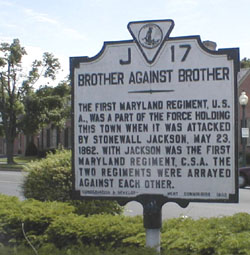
Of special interest to Marylanders is the unique feature of this battle that pitted the 1st Maryland CSA against the 1st Maryland Regiment of the Federal army. In the course of the battle, Captain William Goldsborough of the CSA captured and took prisoner his own brother Charles Goldsborough.  Another Goldsborough, who chronicled the history of Marylanders in the CSA wrote that “nearly all recognized old friends and acquaintances, whom they greeted cordially, and divided with them the rations which had just changed hands.”  <Goldsborough, J. J., The Maryland Line in the Confederate Army, p. 58.>


(To be as complete as possible, though I read the story of the Goldsborough brothers in several locations, here is a link to another story about them – Frederick County residents – and it does not mention Front Royal, but does mention two other occasions of their meeting in the War while contending for opposite sides.  (http://perspectives.jhu.edu/2011/05/national-strife-pits-brother-against-brother/)

Marines at Antietam

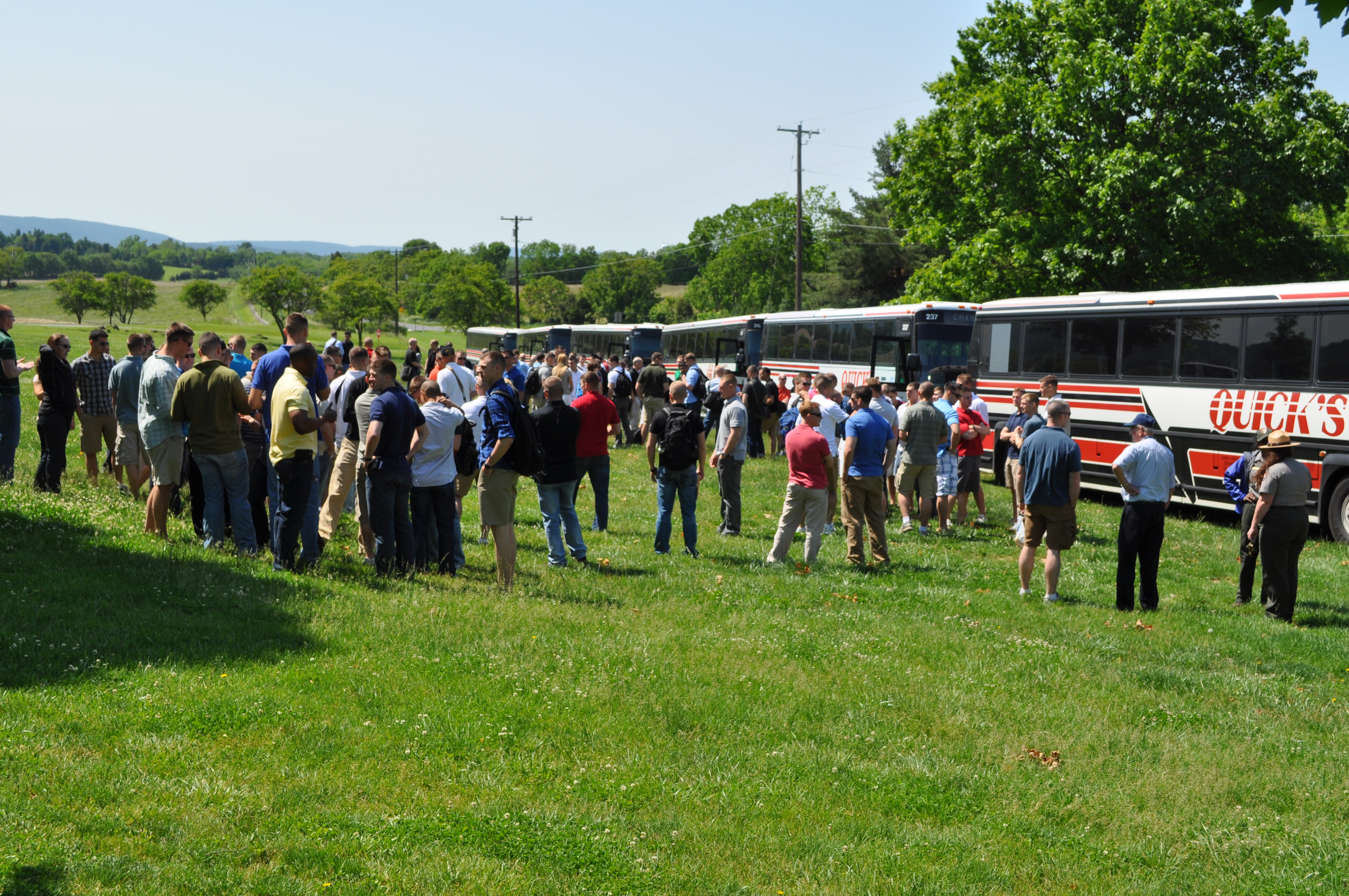
Today was one of the most interesting days I’ve had at Antietam. A total of 300 Marine Corps officers came on six buses. So six of us from the Antietam Battlefield Guides organization led a “staff ride” sort of examination of the battle. These young adults – most of them rather recent college grads – are all second lieutenants from the Marine Officers basic course at Quantico, Virginia.

Obviously this sort of “tour” is different from the typical sort of experience provided for families, schools, and other groups who visit. The focus today was to particularly emphasize tactics, strategic movements, and leadership principles.

This was an impressive group of people and bodes well for the future of our military leadership.

One of them told me they are about 75% of the way through their 6-month program, and the challenge now is “to stave off the encroachment of senioritis” … an interesting turn of words that I said I’d include in my blog before the day was over … so I’ve got to hurry to beat midnight and upload this.

To any of you from today who see this: Thanks for all you are doing and best wishes for success in your every endeavor.

Uniontown 6th Graders at Antietam

I hosted a battlefield visit today with a great group of 6th grade kids from Uniontown, PA. (That seems like the name of a very appropriate place to be from when studying the Civil War – although I believe the name had no more to do with the Civil War than did Secessionville, SC on James Island – where the founders had earlier seceded from the older summer village of Centerville … but I digress … though I will also say that Uniontown was a very active place of the Underground Railroad, is on the National Pike, and is near Fort Necessity … and of necessity I need to not digress further.)

Students from this school and their great teacher Mr. Leasure have been at Antietam before. Anyone would enjoy these kids – they are REALLY well-taught about the Civil War. And they are always super attentive and polite and just very excited to be on this field trip.

We made sure to go to the top of the tower at Bloody Lane and did a fair amount of talking and looking at the Battlefield from that vantage point.

And then at the Burnside Bridge I had them make a charge across the bridge (that one of the boys told ME was 12 feet wide by 125 feet long) where I took this picture of them. And I told them to check the Blog to see themselves!

150 Years Ago Today – Battle of Drewry’s Bluff, Virginia

<Note: Another name often given this event is the “Battle of Fort Darling.” This engagement on 4/15/1862 is a “first” Battle of Drewry’s Bluff … another would be fought two years and one day later on 4/16/1864.>

A personal benefit for me in writing this blog and this series of sesquicentennial posts has been to put these events in a sequence of “felt time.” This serves as an additional sensory perception to the Civil War that is instructive in an entirely different way than simply reading the timeline on a page. The stretches of days and weeks reveal the deliberative nature of McClellan’s advance up the York and James peninsula toward Richmond.

Though deliberative, it did indeed consist of the largest army the continent had ever seen. The panic in Richmond about this approaching force was palpable. Along with an army/land threat, there was an additional concern about the approach to Richmond by the U.S. Navy on the James River. In fact, the Navy hoped to capture Richmond as New Orleans had been taken – employing the river to position for a naval bombardment of the city.

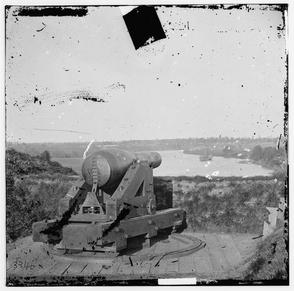
Drewry’s Bluff (Library of Congress)

The James River flows directly south out of Richmond for seven miles before making a 90-degree bend to the east. Confederate command had determined that the optimal location to construct a defensive battery was at this bend upon the 90-foot heights of Drewry’s Bluff. Barricades of piles filled with stone were constructed, and vessels were sunk to create obstructions. Heavy guns at Fort Darling on the bluff were positioned to forestall a naval advance up the channel.

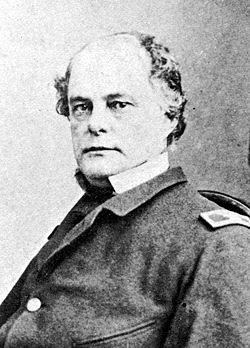
That naval movement came on this date of May 15 in 1862 when Commander John Rodgers (from Havre de Grace, MD) steamed a flotilla of five vessels up the James from Fortress Monroe in order to test the river defenses. The squadron included two ironclads – the flagship Galena and the Monitor – along with three wooden vessels.

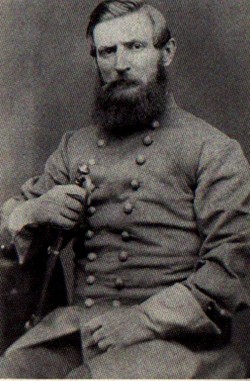
John Rodgers

A four-hour battle ensued, with most of the naval fire coming from the Galena, as the Monitor could not elevate sufficiently to be a factor. The Rebel shells rained down upon the ironclads from the bluff and scored about 45 hits on the Galena. Eventually enough damage was inflicted that the gunboats were forced to withdraw. Casualties on the Galena were 14 killed and 10 wounded, while there were a handful of deaths and wounds on the bluff.

This Confederate victory was hailed with such terms as “the Gibraltar of the Confederacy.”  The action did save the city from a naval bombardment (never to be tried again) and an early end to the War.


USS_Galena – after Drewry’s Bluff

150 Years Ago Today – Battle of McDowell

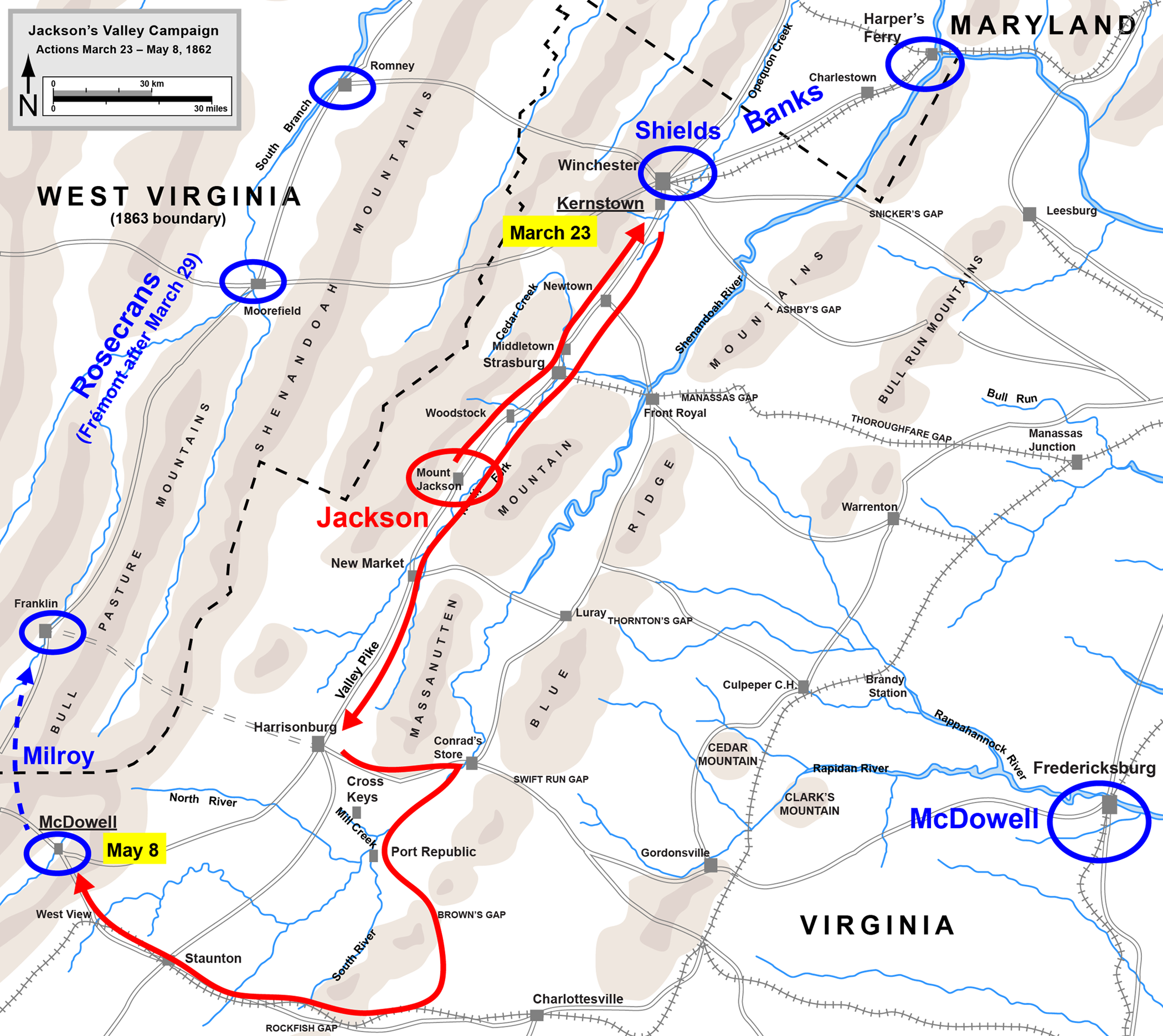
The Battle of McDowell, Virginia was fought on this date of May 8, 1862 as a part of Stonewall Jackson’s Valley Campaign. Two brigades of Union General Fremont’s command were moving toward the Shenandoah from western Virginia. Jackson marched out to meet them and successfully pushed back the brigades of Milroy and Schenck on Sitlington’s Hill (another name for this battle).

Though Jackson lost more men (420 as compared to about 260), it was a strategic victory for the Southern cause. It drew more attention to Jackson’s maneuvering and strategies, and it opened the way for subsequent victories two weeks later at Front Royal and First Winchester.

Map of Jackson’s Valley Campaign of the American Civil War, part 1. Drawn by Hal Jespersen, as at: http://www.posix.com/CWmaps/

150 Years Ago Today – The Battle of Williamsburg

For those who have followed this Sesquicentennial series of blogs, you may rightly note that it has been awhile since we have heard from General George McClellan and his efforts to move his 120,000 man force up the York and James peninsula toward Richmond. When we last wrote of him, he was angry about Lincoln withholding McDowell’s 1st Corps to protect Washington. He was also much fooled by Prince John Magruder’s theatrics in giving the appearance of a Confederate army far in excess of the 13,000 he commanded. Therefore, McClellan set up a siege – digging and bringing forward 103 heavy guns. Believing the Rebel position was weak, General Joseph E. Johnston began moving his entire army to the peninsula – stating that “no one but McClellan could have hesitated to attack.”

By the early days of May, McClellan’s position was nearing full fortification. On the evening of the 3rd, Johnston abandoned the Confederate line and retreated up the peninsula. Not anticipating this action, McClellan moved in an attempt to cut off the withdrawal by first ordering Bull Sumner to attack the Rebel rearguard. This began the first pitched battle of the Peninsula Campaign, matching 41,000 Federals against 32,000 Confederates.

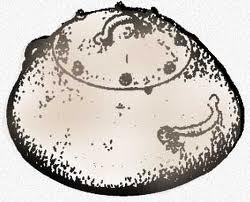
Civil War era land mine

As the Union men entered the abandoned entrenchments and redoubts, they also encountered a new terror of the battlefield for the first time in history – land mines (called torpedoes in that day). This was seen as an unethical technique that was “barbarous” … though both sides would use them as the war went along. Of this development, McClellan telegraphed Stanton: “The Rebels have been guilty of the most murderous and barbarous conduct in placing torpedoes within the abandoned works near wells and springs; near flag-staffs, magazines, telegraph offices, in carpet-bags, barrels of flour, &c. Fortunately we have not lost many men in this manner–some 4 or 5 killed and perhaps a dozen wounded. I shall make the prisoners remove them at their own peril.”

As a quick summary of the actual battle, initial Union attacks were repulsed under the direction of General James Longstreet, threatening to overwhelm the Union left flank. Kearny’s Division halted this threat, while Hancock’s Brigade moved to imperil the left Confederate flank. Further Confederate counterattacks were unsuccessful and the Southern army continued that evening to pull back toward Richmond.

Both sides saw the battle as a victory. The Union was encouraged by the retreats of the Confederates, and the Rebels encouraged that their army was saved to regroup and fight again in the defense of Richmond. It would be accurate to say that the result of the battle was “inconclusive” … with about 1600 Confederate casualties as compared to about 2300 Union.

John Quarstein, in a Civil War Trust article, summarizes thus: The Battle of Williamsburg, called by McClellan “an accident caused by too rapid a pursuit,” was an opportunity to destroy Johnston’s army before it could reach the Confederate capital; however, success slipped away from the Army of the Potomac. The Union victory at Williamsburg was marred by the Federal command’s inability to aggressively grasp the tactical opportunities made available by the Confederate retreat. (http://www.civilwar.org/battlefields/yorktown/yorktown-history-articles/peninsulaquarstein.html)

150 Years Ago Today: Occupation of New Orleans by Benjamin Butler

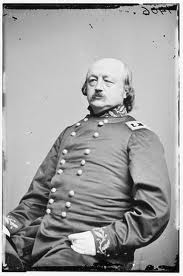
On this date — May 1, 1862 – General Benjamin F. Butler assumed command and occupation of the City of New Orleans. This was no small task to maintain, as holding New Orleans would be as difficult now for the Union as it had been for the Confederates. And to do so with a hostile population of about 150,000 was particularly a challenge.

Butler was a political general – being formerly a Democratic congressman from Massachusetts. He had anticipated the War in a way few others did and led militia units in his home state that at the outset of hostilities marched to Washington, along with restoring order in Baltimore. He was given command at Fortress Monroe, and there embellished his resume by making a stand on the issue of runaway slaves. He reasoned that they were able to be held as contraband of war – even as a combatant could rightly be held. This logic was … well … logical, and the policy stuck – striking a severe blow to the efforts of the South to support the War through slave labor.

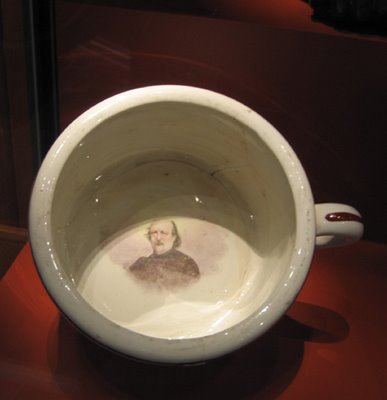
Butler was something of an odd-looking fellow … today we might say there was something “sketchy” about him; and his abrasive personality matched the exterior appearance. Practically no Union personage was quite so reviled in the South as was Benjamin Butler. Known to many as “Beast Butler,” merchants in New Orleans even sold chamber pots with his likeness in the bottom.

Speaking of chamber pots (how about that?… two consecutive paragraphs!), it was the emptying of the contents of such a container by a woman upon the head of Fleet Captain David Farragut that prompted Butler’s Special Order Number 28 – issued on May 15th.  It stated that any woman who was publically disrespectful to a Union officer would be treated in accord with the policy toward a prostitute. Meant to shame New Orleans residents into manageable behavior, it rather outraged people all around the country and even all of the way to Lord Palmerston in England.

General Butler was effective. His political skills, for better or worse, served him well in New Orleans. He essentially did the Robin Hood thing of taking from the rich and giving to the poor – thus balancing the hostilities and attitudes of the people. He improved the city in some practical ways regarding sewage, water, health, etc.  He thus maintained control through December, until the outcry about his antics resulted in General Nathaniel Banks arriving with orders to replace him.

Butler is truly one of the most fascinating personalities of the War.

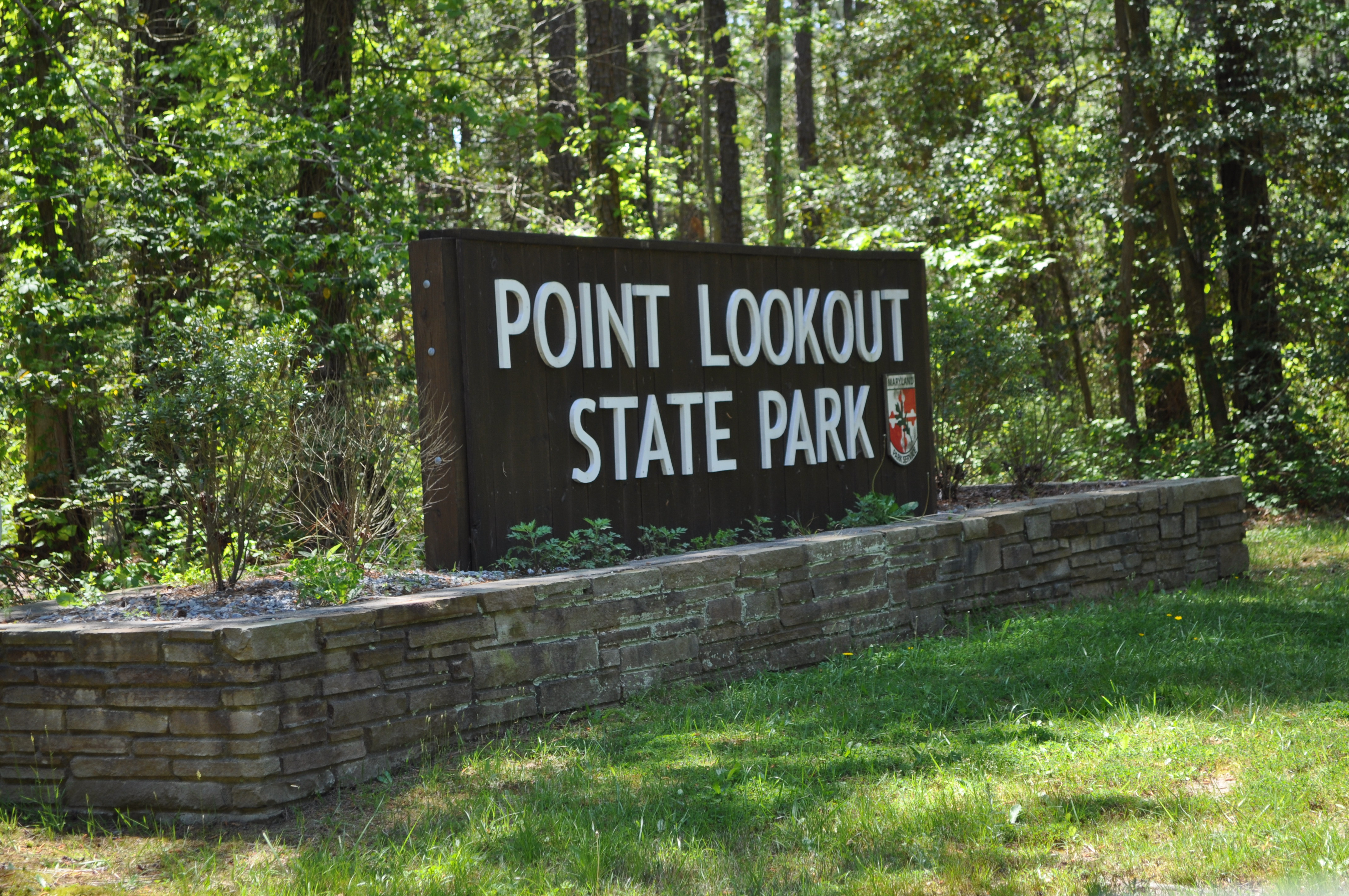
Point Lookout, Maryland

(There are a lot of pictures … continue reading and scrolling to the end)

Today I have had occasion to be in far southern Maryland for a convention event and came early in order to visit Point Lookout, Maryland. This is the point of land at the confluence of the Chesapeake Bay and Potomac River.

Point Lookout was used by the Union in the Civil War as the location of an enormous POW camp. Over 52,000 were held in this location in the latter stages of the War after Gettysburg. The conditions were very grim, and the combination of exposure and disease claimed a large host of lives.

Within the State Park is a museum, though I was disappointed to find it closed until around Memorial Day.

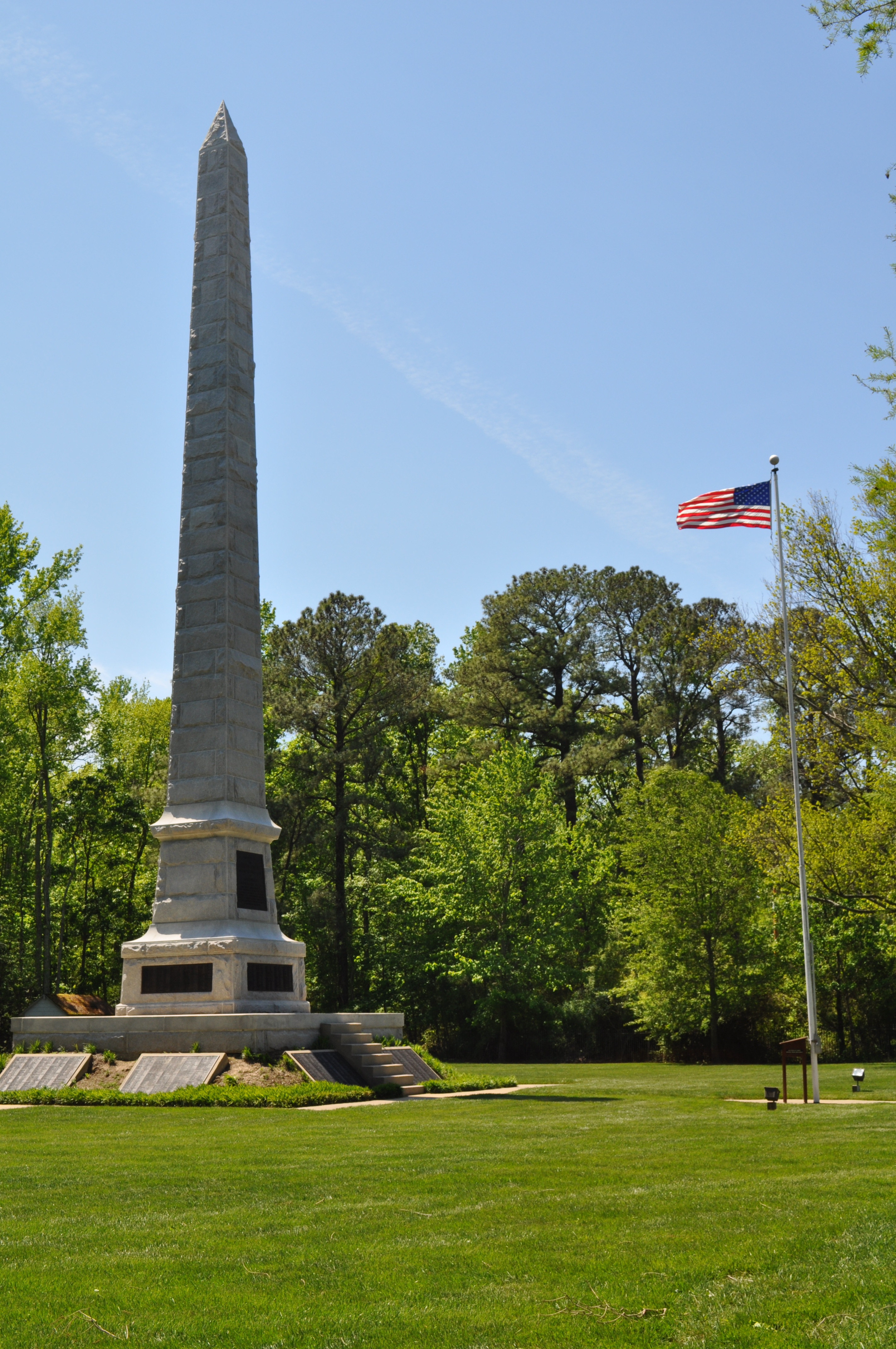
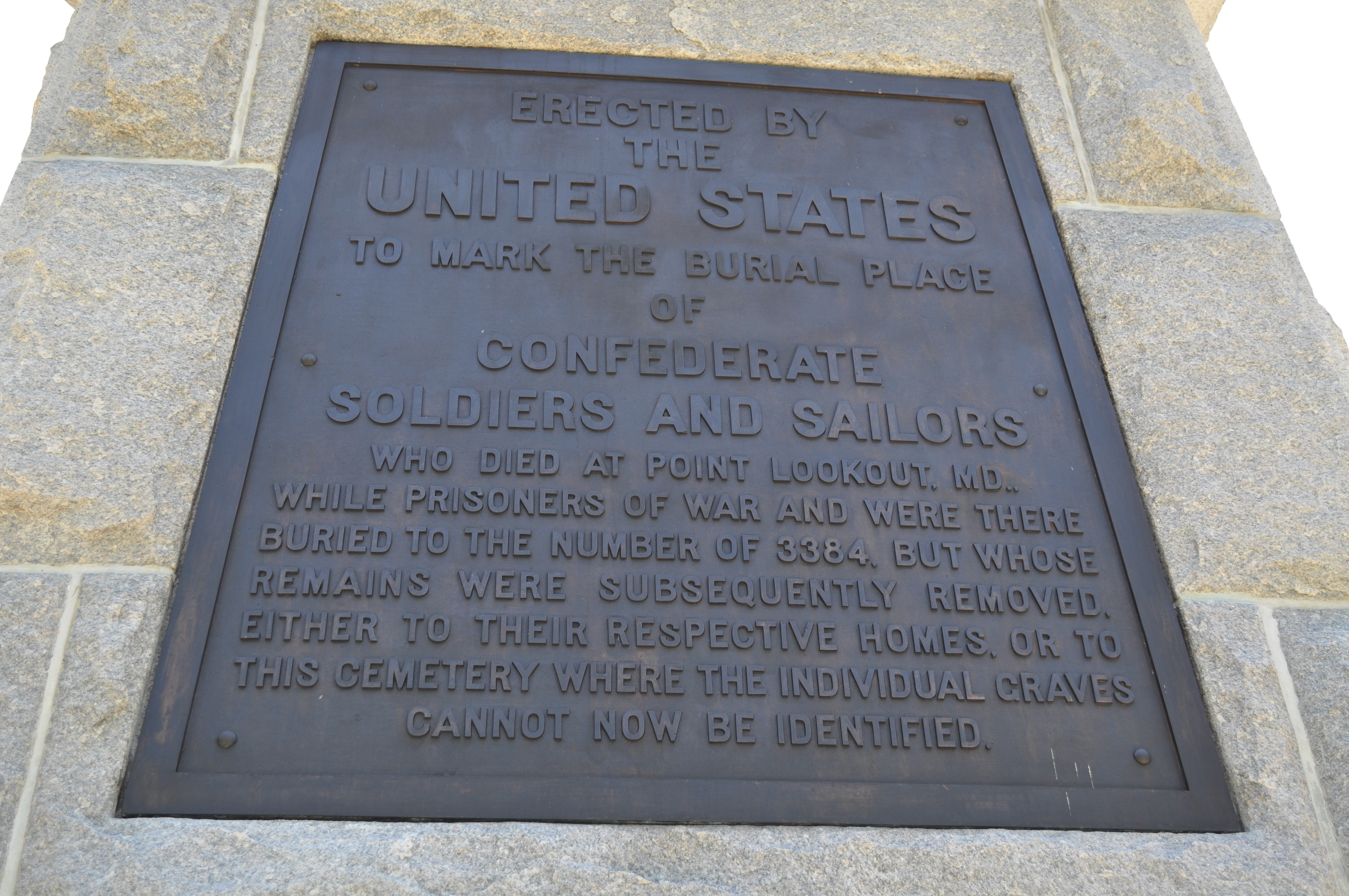
There is a Confederate burial ground with a large monument to the thousands interred there, with a small monument from the state of Maryland nearby. The monument contains 3,384 names, though many hundreds more have been identified who died here.

Just down the road is another monument and flag court of remembrance. This is on privately purchased land and has been erected in recent years by a group called “Descendents of Point Lookout POW Organization.” This memorial to Southern heritage and sacrifice stands as a result of anger and frustration by the sponsoring group. Their materials at the site and on their web page (http://confmemparkinc.plpow.com/) detail the grievances they have endured over a period of years – being shut out of establishing the type of honor they feel appropriate. Obviously, these are very deep feelings – inclusive of very rough and hostile viewpoints on Abraham Lincoln. I’ll not comment, but simply let them stand on their own merit, or otherwise.